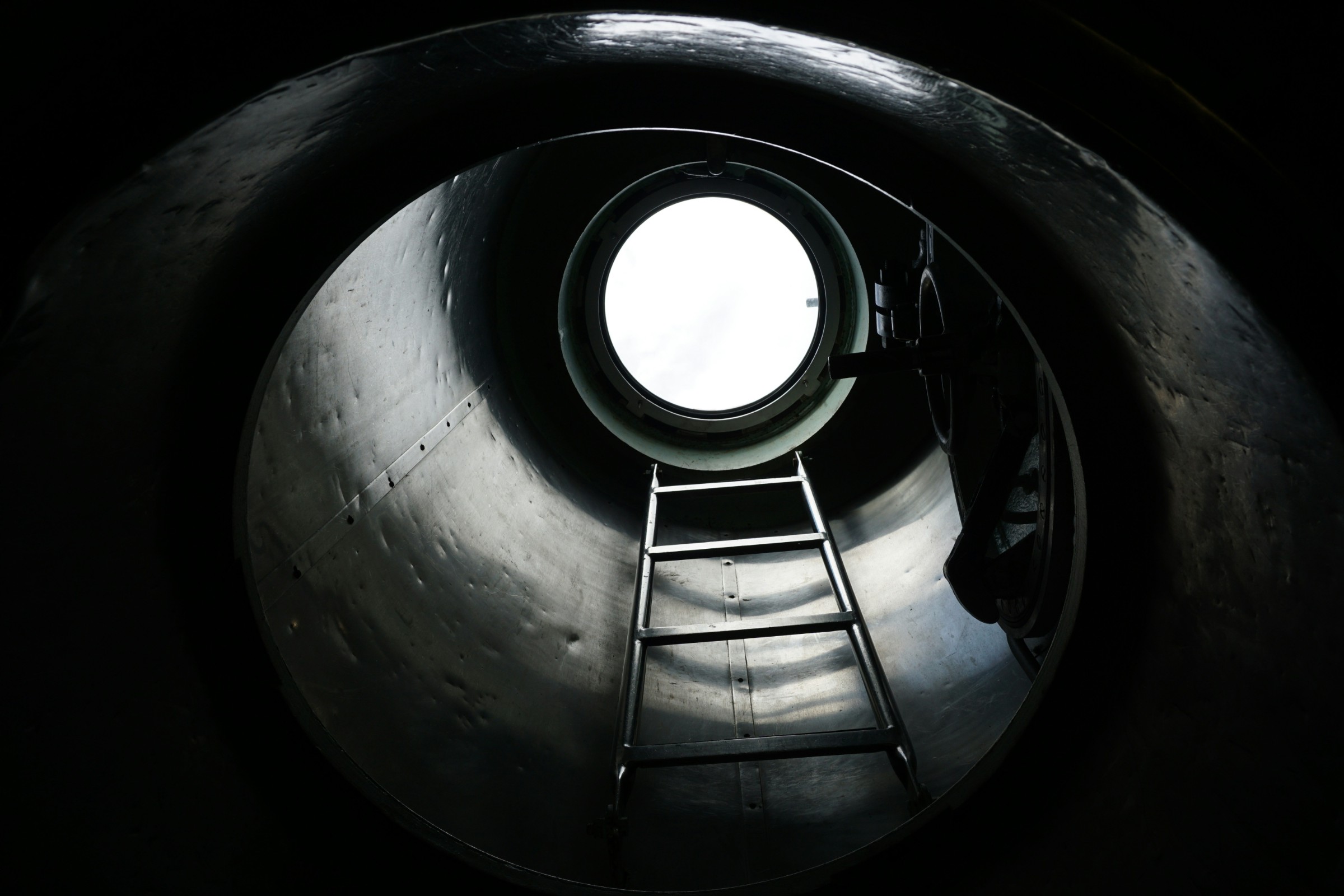
Confined Space Entry Hazard Awareness
Service Description
Course overview Our Confined space entry hazard awareness training is designed to provide participants with the knowledge needed to recognize confined space hazards, understand the risks associated with confined space operations, and apply proper safety practices when working in or around confined spaces. Through classroom instruction and practical discussions, participants will learn how to identify confined spaces, recognize potential atmospheric and physical hazards, understand the responsibilities of employees working around confined spaces, and apply prevention methods to reduce the risk of injuries and incidents. The course emphasizes OSHA requirements, hazard recognition, and safe work practices for employees who may encounter confined spaces during their work activities. This course focuses on hazard awareness and prevention. It does not qualify participants to serve as a confined space competent person, entry supervisor, attendant, or authorized entrant unless additional required training is completed. Who should attend? This course is recommended for: Supervisors Foremen Project managers Safety professionals Team leaders Laborers Maintenance personnel Utility workers Heavy equipment operators Field personnel Employees who may work near or around confined spaces What you'll learn? Upon successful completion of this course, participants will be able to: Understand what defines a confined space and why it presents workplace hazards. Identify common confined space hazards, including atmospheric, physical, and engulfment hazards. Understand the difference between confined spaces and permit-required confined spaces. Recognize potential hazards before entering or working around confined spaces. Understand the importance of atmospheric testing and monitoring. Identify the purpose and limitations of personal protective equipment (PPE). Understand the roles and responsibilities of workers involved in confined space operations. Recognize the importance of communication and emergency response procedures. Understand OSHA requirements related to confined space awareness. Apply safe work practices to help prevent confined space incidents. Why this training matters? Confined spaces can present serious hazards, including toxic atmospheres, oxygen deficiencies, engulfment risks, and limited access or rescue challenges. Proper awareness training helps employees recognize hazards before work begins, improve decision-making, and support safer workplace practices. Course details Course duration: Approximately 3 hours Schedule: Monday through Friday (subject to instructor availability) Language: English or Spanish Training format: Classroom instruction combined with practical discussions and real-world examples. Certificate: Certificate of Completion provided upon successful completion of the course. Certificate validity: Certificate does not expire. Refresher training is recommended periodically to reinforce knowledge, maintain best practices, and ensure continued workplace safety awareness. Attendance verification Participants are required to sign the attendance roster at the beginning of the training session. A signed attendance roster will be provided to the client as part of the training records. Training requirements A minimum of 6 participants is required to schedule a private training session. Class size is limited to a maximum of 40 participants per session to ensure an effective learning experience. Training location Training may be conducted at your facility or at our training location: IEC Independent Electrical Contractors 8868 Research Boulevard, Suite 500 Austin, TX Training conducted within the Austin area does not incur additional travel charges. For locations outside the Austin area, applicable mileage and, when required, hotel accommodations for the instructor will apply. A classroom rental fee of $200 per training day applies only when training is held at the IEC training facility. Customized training This course may be customized to address your company's specific operations, workplace hazards, confined space activities, and project requirements.